


Sport remains one of the most powerful territories for connecting brands with emotion, communities and meaningful moments. But this appeal is no longer enough. This issue does not only concern major competitions or the most visible organisations. It affects the entire sports ecosystem: international events, federations, clubs, leagues, regional competitions, local projects and purpose-driven sports programmes. In a context where companies need to justify every investment, all sports organisations are concerned: they can no longer simply sell visibility. They need to help their sponsors create real, measurable and actionable return.
Sporting appeal is no longer enough
The presence of a major athlete obviously changes the reach of a sports event. Kylian Mbappé with the French national team, Cristiano Ronaldo with Portugal, LeBron James with the Lakers or, closer to us, Tadej Pogačar at the Tour de Romandie and Armand Duplantis at Athletissima or Weltklasse Zürich: these figures attract attention, generate audiences, feed the media and strengthen the desirability of the platforms that host them.
But their presence no longer automatically guarantees the commercial value of a partnership.
The recent example of the Tour de Romandie is particularly revealing. In 2026, the race found itself without a main sponsor for its yellow jersey, with an estimated shortfall of between CHF 300,000 and CHF 500,000 on a total budget of around CHF 5 million, according to RTS. This happened even though Tadej Pogačar, one of the biggest names in global cycling, was expected to take part in the race.
This paradox says a lot about the evolution of sports sponsorship. The problem is not that sport has lost its value. Quite the opposite. Sport remains an exceptional driver of emotion, attention and community. The issue lies elsewhere: this value no longer automatically translates into return for sponsors.
And the same reasoning applies when the appeal does not come from a global star, but from a strong local community, regional roots, a family audience, a youth programme or a highly engaged niche discipline.
The traditional sports sponsorship model is reaching its limits
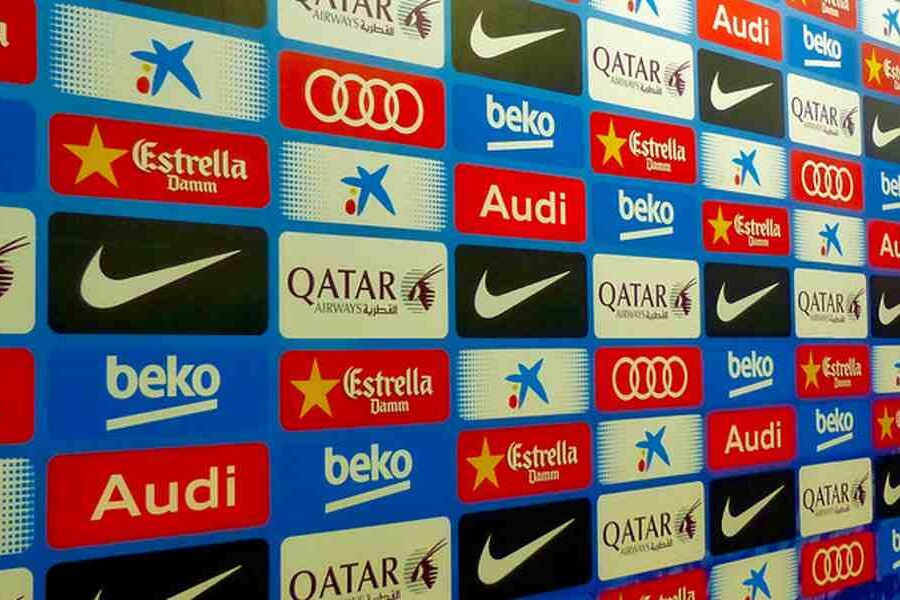
For a long time, sports sponsorship often relied on a fairly simple mechanism: a brand, a logo, a presence, a few invitations and a positive association with the values of sport.
This model has not disappeared. It is still useful. But it is no longer enough.
Companies no longer only want to be visible. They want to understand what their investment actually generates. They want to know whether the partnership helps them strengthen their image, engage their clients, create content, mobilise their employees, reach new audiences or generate business opportunities.
Visibility therefore remains important, but it can no longer be the only answer. A sponsor may be associated with an attractive event, a strong sporting story or a large audience. But if it does not know what to do with that association, the value remains theoretical. And theoretical value is no longer enough to drive renewal.
Companies do not vitally need sponsorship
This is a point rights holders need to look at with clarity. For most companies, sponsorship is not vital. It is one marketing lever among others. It competes with digital campaigns, public relations, owned events, trade fairs, content, influence, CRM, sales initiatives and HR programmes.
And in many of these areas, measurement appears more immediate.
In digital, a company can track impressions, clicks, conversions, acquisition costs or audience profiles. In sponsorship, measurement is more complex. Impact is often built over time. It can affect image, client relationships, internal engagement, local anchoring, community, loyalty or access to specific audiences.
This is not a weakness. It is even what makes sponsorship powerful. But this complexity requires a more structured approach.
In a period of economic and political uncertainty, decisions made purely out of passion, proximity or habit become more fragile. They still exist, but they are increasingly insufficient to justify renewal. A sponsor may like a sports organisation and still reduce its commitment if it can no longer demonstrate its value.
The real risk: signed sponsors that are not activated enough
Many sports organisations naturally focus their efforts on finding new partners. This makes sense. Sponsorship is often an essential source of revenue.
But one risk is sometimes underestimated: sponsors that have already signed, but are not activated enough.
A sponsor that activates little often limits itself to the visibility included in the contract. It makes poor use of its invitations. It does not create content. It does not engage its clients. It does not mobilise its employees. It measures nothing. And when it is time to review the partnership, it wonders what the partnership really brought.
The problem is therefore not always a lack of rights. It is often the underuse of existing rights. A sponsor may have access to a powerful platform, athletes, a community, experiences, hospitality, content and relationship opportunities. But if it does not know how to use them, much of the value remains dormant.
An unactivated right is lost value. And lost value quickly becomes a risk of non-renewal.

Activation can no longer be solely the sponsor’s responsibility
Too often, when a sponsor activates its partnership little or poorly, the conclusion is simple:
The sponsor did not know how to use its rights.
Sometimes, this is true. The sponsor may not have dedicated enough time. It may not have defined clear objectives. It may not have mobilised its teams. It may not have understood how to turn its partnership into a real marketing, commercial, HR or relationship-building lever.
But for the rights holder, this explanation is not enough. Because in the end, if the sponsor does not renew, the consequence is very concrete: the funding disappears.
For the company, this is not necessarily dramatic. It will replace this budget with another marketing action. A digital campaign. A client event. A trade fair. A sales operation. Another partnership.
For the sports organisation, however, the loss is much more significant. A departing sponsor can sometimes mean a substantial part of the budget disappearing. It means reinvesting commercial time. It creates additional pressure on the team. And sometimes, it directly weakens the project.
The question is therefore no longer only:
Have we delivered the rights included in the contract?
The real question becomes:
Have we helped the sponsor create enough value to want to stay?
Athletes have become media platforms, but few are truly structured
Another major change concerns the role of athletes. The biggest global stars have become true media platforms. Cristiano Ronaldo, LeBron James, Kylian Mbappé or Armand Duplantis have an audience, an image and an influence capacity that sometimes exceed those of certain organisations.
But these profiles remain the exception. Most athletes, even at a very high level, do not always have the individual marketing structure required to fully leverage their image, audience or engagement potential.
Sports organisations, for their part, have valuable assets: events, communities, content, digital platforms, physical experiences, partners, media, youth programmes, hospitality, interaction moments and territories of expression.
The potential for synergy is therefore considerable. Organisations can provide athletes with a framework, content, activation opportunities and connections with partners. Athletes, in turn, can strengthen embodiment, emotion and engagement around sports platforms.
But this requires moving beyond a model that is too siloed. The value of a sports partnership will no longer come only from the event, the logo or the raw audience. It will come from the ability to intelligently connect brands, organisations, athletes, communities, experiences, content and the sponsor’s business objectives.
The best organisations will no longer only sell rights
The reinvention of sports sponsorship does not mean that everything needs to be revolutionised. It mainly means shifting the centre of gravity. For a long time, many sponsorship offers were built around this question:
What can we sell?
Today, the question should be:
What return can we help the sponsor generate?
This return should not be understood only as direct financial ROI. Depending on the partner’s objectives, it can take several forms:
- qualified visibility
- image reinforcement
- community engagement
- prospect acquisition
- client loyalty
- hospitality and business relationships
- branded content
- employer branding
- employee engagement
- local anchoring
- demonstration of expertise
- societal or territorial contribution
This is exactly where modern sponsorship is evolving. A sponsor should not simply buy placements, logos or invitations. It should build an activation plan aligned with its objectives.
And the sports organisation should be able to support it in this process.
Data does not replace emotion, but it has become essential
Sport remains an emotional territory. That is precisely its strength. People do not follow a team, an athlete or an event only to receive information. They do so because they feel something: pride, belonging, tension, admiration, proximity or pleasure.
But this emotion now needs to be better understood, better activated and better valued. Sports organisations need to better understand their audiences, behaviours, communities and moments of engagement. For a sponsor, this information becomes valuable.
It helps answer simple but strategic questions:
- Who are we really reaching?
- How do audiences interact with the event?
- Which moments create the most engagement?
- Which experiences are the strongest?
- Which content is the most useful?
- Which audiences can be activated before, during and after the event?
- What results can we show the partner?
Without data, sponsorship often remains based on perception. With good data, it becomes more defensible.
What sports organisations should implement quickly
To avoid losing sponsors, producing an attractive partnership deck is no longer enough. The post-signature phase needs to be structured. This is often where everything is decided.
In concrete terms, a sports organisation should implement:
- sponsor onboarding as soon as the agreement is signed
- clarification of the partner’s objectives
- mapping of the rights that can actually be used
- activation ideas adapted to the sponsor’s resources
- a timeline before, during and after the event or season
- regular follow-up meetings
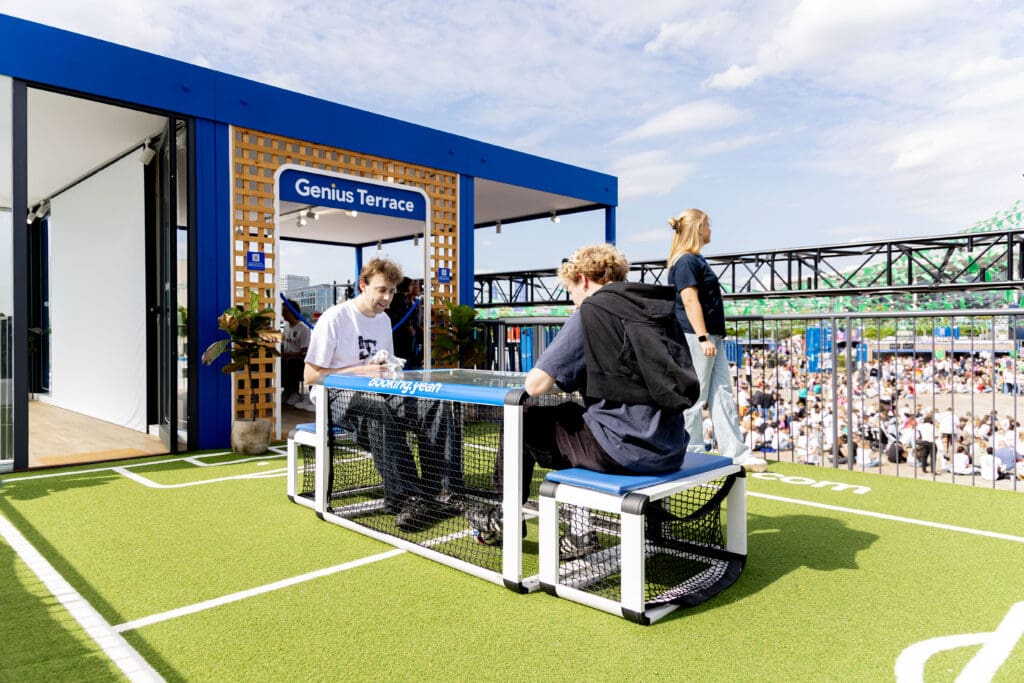
- content and experience opportunities
- stronger connections between sponsors, athletes and communities
- a simple but credible measurement of the value generated
- a renewal-oriented review, not just reporting
This is not an additional administrative layer. It is a Sponsor Success logic.
In other words: helping sponsors succeed more effectively in order to strengthen their satisfaction, impact and loyalty. And in a market where the same companies are approached by an increasing number of projects, retention becomes just as strategic as acquisition.
The organisations that evolve will have a decisive advantage
In the coming years, the strongest sports organisations will not only be those that attract the best athletes, the largest audiences or the strongest media coverage. They will be the ones capable of turning this appeal into concrete value for their partners.
The ones that can explain to a sponsor how to move from a logo to a real activation. The ones that can create synergies between the event, athletes, communities and brands’ business objectives.
The ones that can measure more than visibility. The ones that can support their sponsors before they start questioning renewal.
Sports sponsorship is not doomed. On the contrary, it remains one of the most powerful tools to connect brands with emotion, territories, communities and meaningful moments. But it must evolve.
Need to better support your sponsors?
Sponsorize has been supporting sports organisations for 20 years as an external partner to structure sponsor activation, follow-up and retention.
We provide our expertise, methodology and team to help your partners make better use of their rights, generate more value and strengthen their willingness to renew.
